TL;DR Wood framing is the skeleton of a house, providing the structure and shape that holds everything together. This guide covers the essential methods, materials like plywood and drywall, and the step-by-step construction process. Whether you are planning a new build or just curious, you will learn why this traditional method remains a top choice in construction.
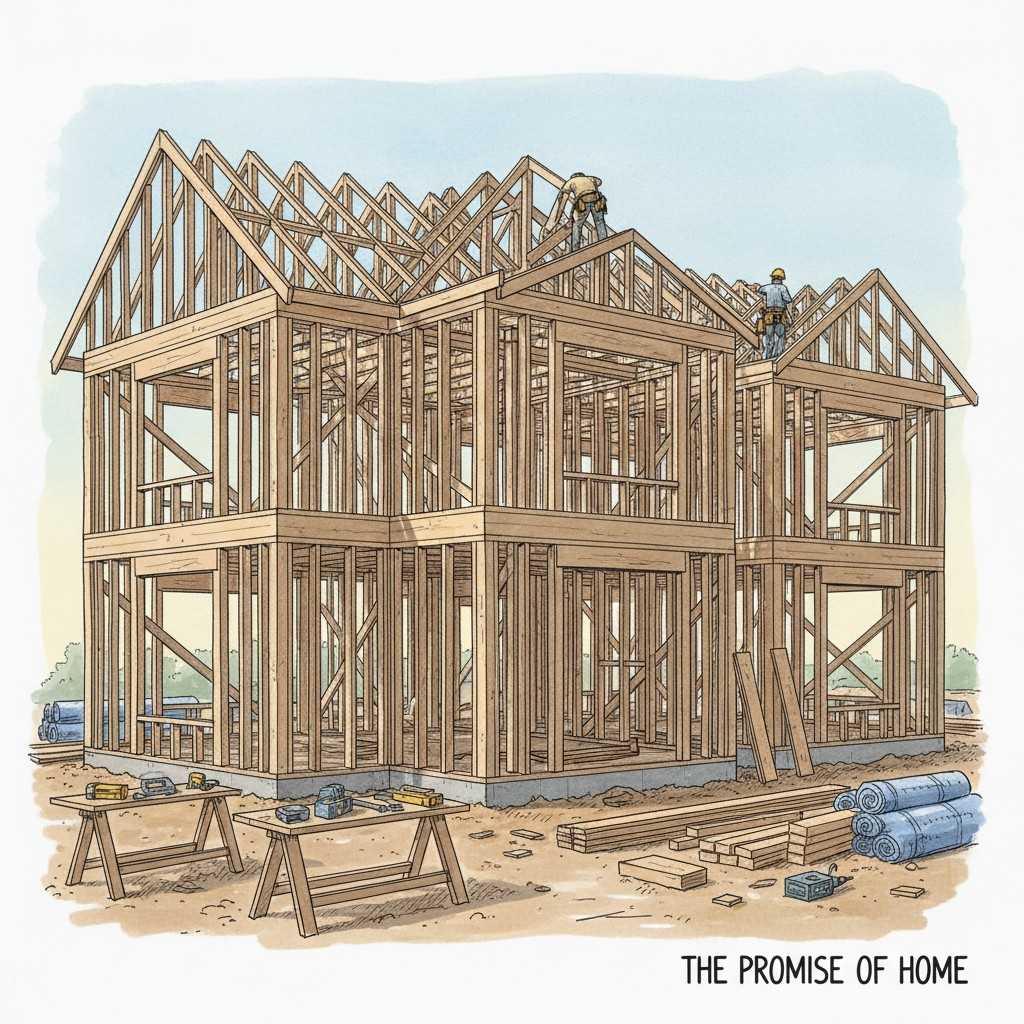
Welcome to the fascinating world of building! The purpose of this blog is to break down even the most complex aspects of wood framing into clear, professional insights for expert readers. We’re exploring not only the traditional methods and essential wood framing details, but also best practices and advanced connections, critical for structural resilience and sustainable construction. You’ll find real-world applications, case studies, and links to leading construction standards that professionals rely on.
If you want to expand your knowledge beyond this post, check out dedicated resources at engides engineering for regularly updated guides on structure and civil engineering, or explore our services for in-depth engineering solutions.
Think of your body. You have a skeleton made of bones that gives you shape and strength. Without it, you would just be a blob on the floor. In the world of construction, wood framing acts exactly like that skeleton. It is the assembly of lumber pieces of wood cut to standard sizes to create the structure of a building.
This structure supports everything else. It holds up the roof, provides a surface for the walls, and creates space for electrical wires and plumbing pipes to run through. While steel and concrete are popular in big skyscrapers, wood is the king of residential housing. Why? Because it is strong, easy to work with, generally more affordable, and has a favorable strength-to-weight ratio (learn more).
When builders talk about a wood framing plan, they are looking at a detailed blueprint that shows exactly where every stud, beam, and joist is positioned.
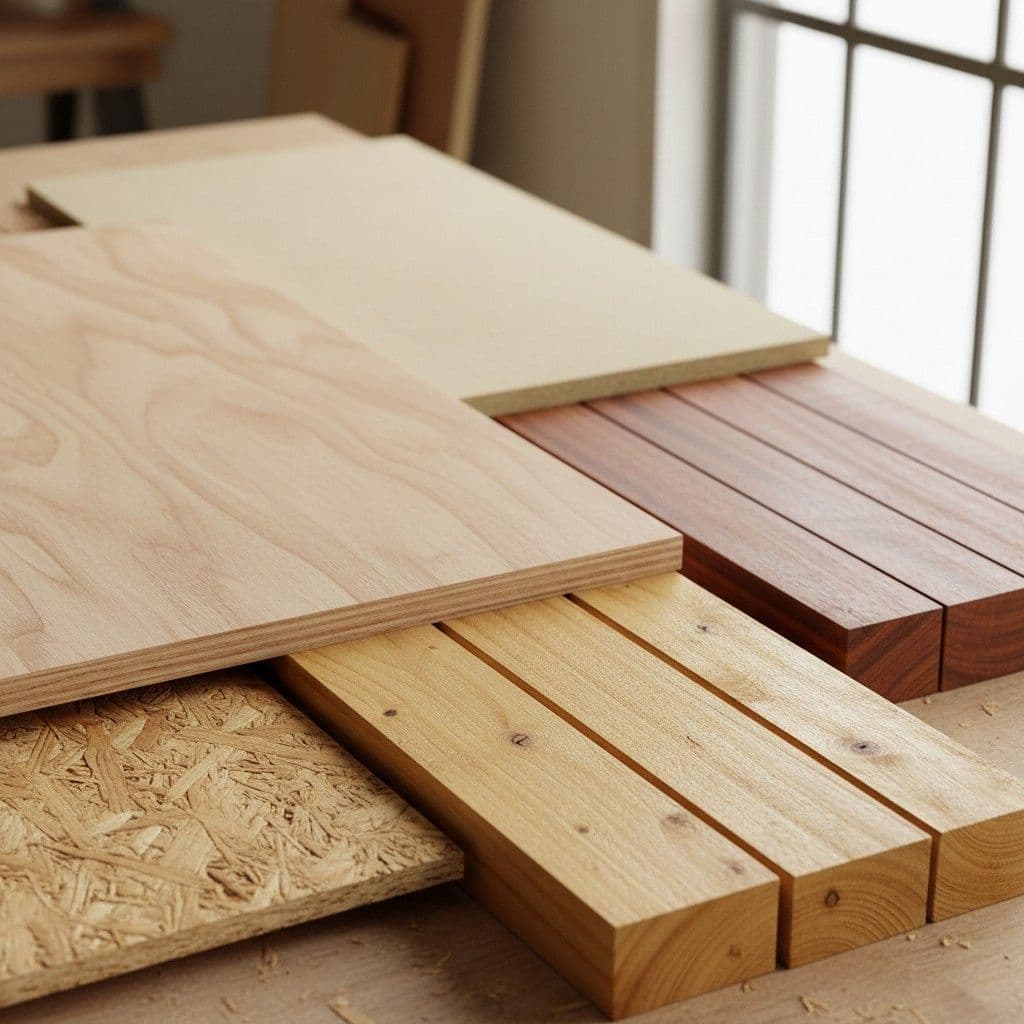
To build a strong house, you need the right ingredients. It isn’t just about grabbing any tree branch you find. Builders use engineered materials specified by codes and best practices to ensure the assembly will meet performance and durability demands.
This is what most people picture when they think of framing. These “2x4s” and “2x6s” (two-by-fours and two-by-sixes) form the vertical studs in walls and are usually made from softwood trees like pine, spruce, or fir, selected for high strength and uniformity. Review Forest Products Laboratory Technical Guides for in-depth evaluation methods for wood materials.
Sometimes, regular wood isn’t strong enough for long spans or heavy loads. That’s when engineered wood is specified. These man-made products like LVL (laminated veneer lumber), glulam beams, or structural composite lumber offer high strength and reliability for demanding applications (APA – The Engineered Wood Association).
Once the skeleton is up, it needs a high-performance skin. Builders use plywood or Oriented Strand Board (OSB). Both meet rigorous engineering standards and are selected based on project type and code requirements.
Modern framing incorporates engineered fasteners: nails, screws, or specialty connectors (such as Simpson Strong-Tie systems) each chosen for its stress and load resistance. For more, see the Strength of Wood Connections on Structure Magazine.
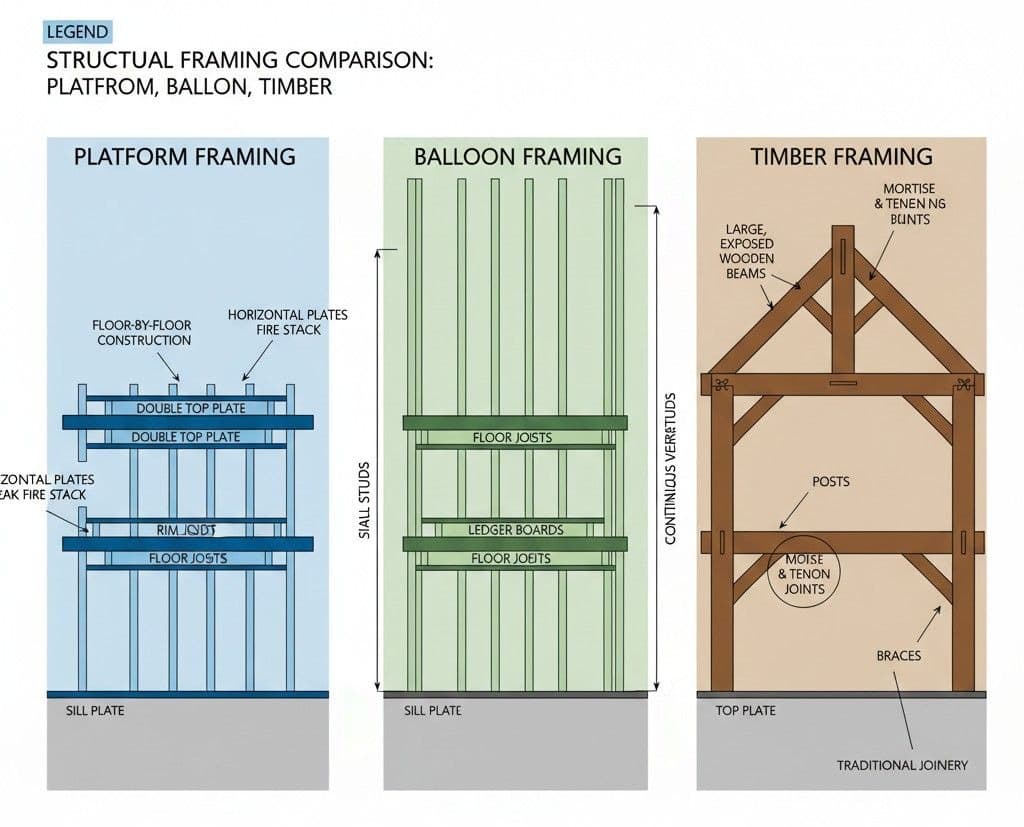
Not all wooden houses are built the same way. Over the last century, experts have developed multiple framing systems to tackle different site and code demands. Maintaining familiarity with historic and modern methods is key for precise project documentation and execution.
This is the wood framing construction method used widely today. Its sequential process facilitates rigorous inspection and construction:
Build the precise foundation with anchor layout.
Install a subfloor for the first platform.
Construct and raise walls atop that platform, bracing, and plumbing as per plan.
If adding stories, repeat the platform sequence for each floor.
Platform framing creates robust fire stops between stories and supports phased inspection and modularity. Advanced framing guides and global code references are available at the International Code Council.
This older approach continuous vertical studs running from foundation to roof is now largely obsolete due to rapid fire spread and the difficulty of sourcing long, straight studs. However, it’s useful to understand this legacy method for historic or restoration projects.
This heavy-timber system employs massive beams and advanced joinery. It demands the highest level of craftsmanship and thorough engineering. Dive into Timber Framers Guild Resources for best practices and case studies.
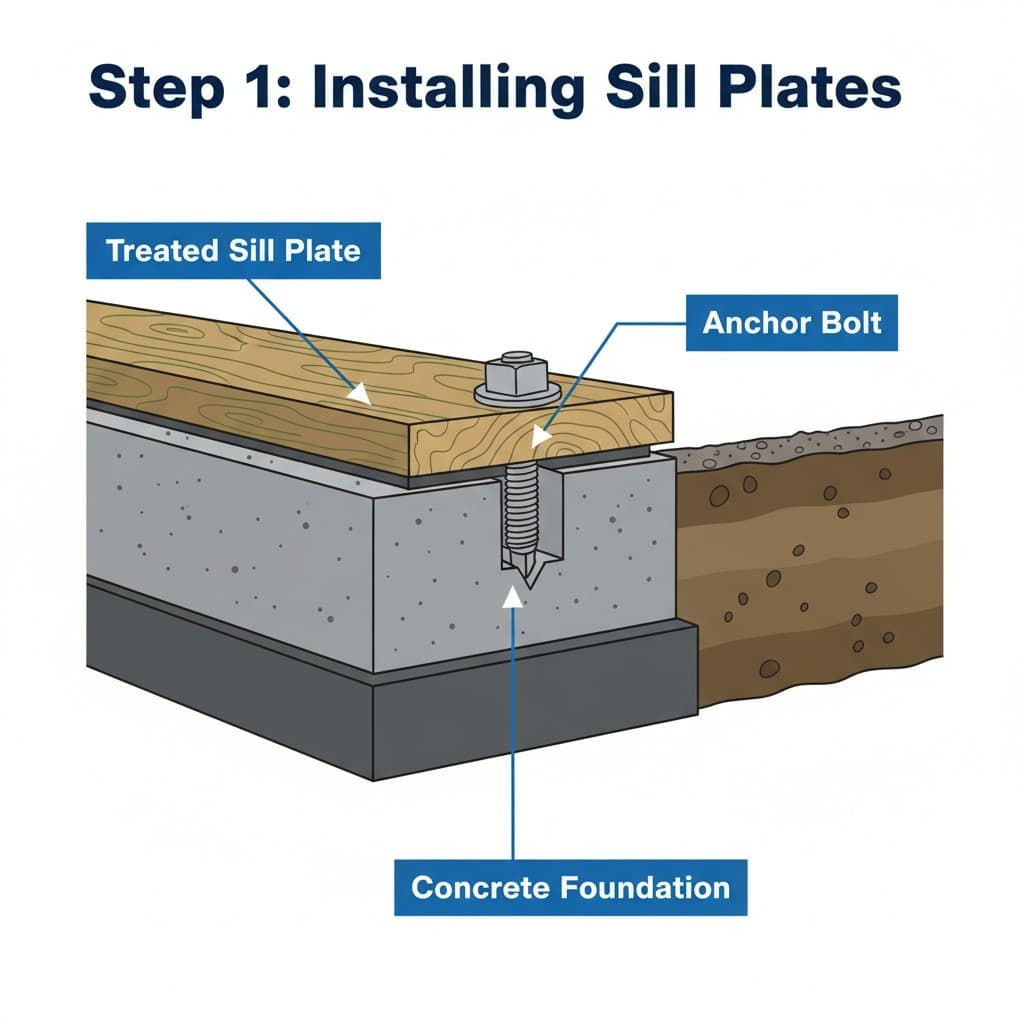
Curious about the practical sequencing in a wood framing construction company setting? Each step is engineered for code compliance and efficiency:
Step | Component | Description |
1 | Sill Plate | Code-compliant, pressure-treated wood, anchored and sealed to the foundation. |
2 | Floor Joists | Dimensioned for span and load; often supported by engineered hangers or beams. |
3 | Subfloor | APA-rated plywood or OSB, installed per Fastener Schedule. |
4 | Wall Plates | Precise top and bottom plates; essential for load transfer. |
5 | Studs | Laid out on 16" or 24" centers, precisely spaced for sheathing installation. |
6 | Headers | Engineered, species-rated lumber sized for specific openings. |
7 | Roof Trusses | Manufactured to detailed truss engineering drawings for spanning and resisting uplift. |
Upon completion and inspection, follow up with MEP coordination before applying the drywall, which acts as a key structural and fire-resistant layer.
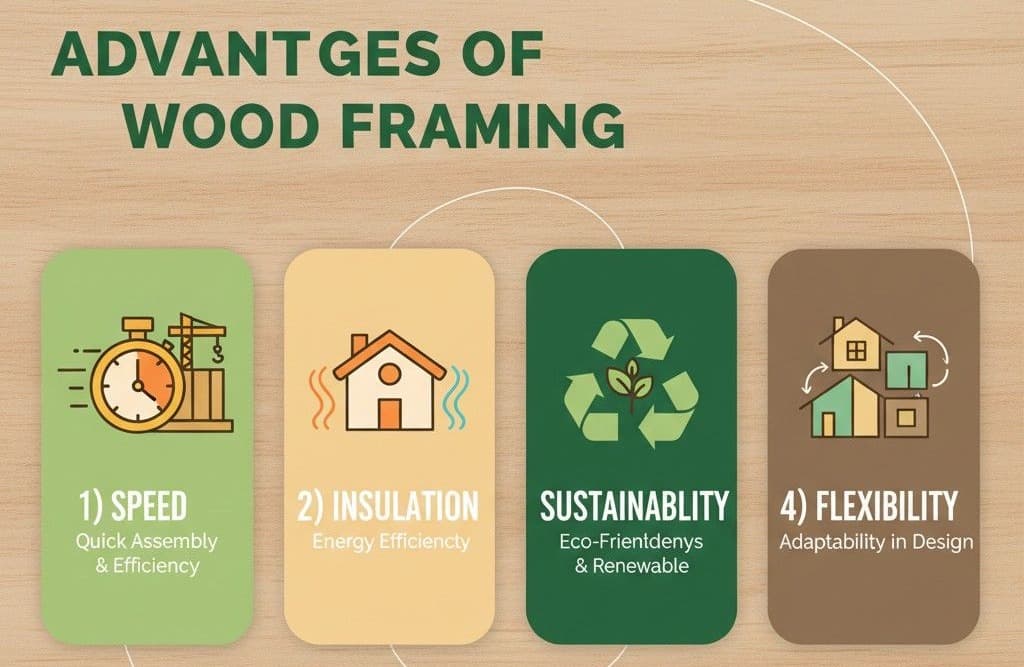
For expert builders and designers, wood framing stands out for its adaptability in high-performance projects.
Speed: Expert teams can frame complex homes in weeks, not months.
Insulation: Wood's natural R-value outperforms steel and supports energy-compliant assemblies.
Sustainability: FSC-certified lumber and responsible harvesting reduce environmental impact (FSC Certification).
Flexibility: Structural modifications and renovations are far more manageable than in concrete or masonry builds.
Expert-level wood framing details directly influence a structure’s performance. Top engineers and code consultants specify continuous load paths, hold-down devices, and lateral bracing systems for seismic and wind events. Review technical detail drawings or shared wood framing details dwg repositories for current solutions.
In moisture-prone areas, integrated vapor barriers and positive drainage detailing are crucial. Specification guidelines are available at Building Science Corporation.
Throughout this guide, we’ve reviewed the essential and expert-level factors of wood framing, from conceptual planning and material selection to engineering details and code-compliant execution. Industry professionals recognize wood framing as a cornerstone of modern residential and light commercial construction. Its versatility in design, sustainability, and cost-effectiveness when paired with rigorous detailing make it the backbone of the industry.
If you want to deepen your expertise or streamline your next project, be sure to visit EngiDes Engineering for in-depth technical articles, and for tailored engineering solutions.
Structure is Key: Wood framing acts as the skeleton of a building, supporting weight and providing shape.
Materials Matter: Common materials include dimensional lumber (2x4s), engineered wood for strength, and plywood for sheathing.
Platform Framing Rules: The most common method today is platform framing, where builders construct one floor at a time.
Safety First: Modern framing uses metal connectors and specific engineering details to withstand wind and earthquakes.
Finishing Touches: After framing, systems like plumbing and electrical are installed before covering everything with drywall.
 Engides