A structural engineer is vital for ensuring the safety and stability of buildings, whether you are planning a renovation, dealing with foundation cracks, or constructing a new home. This guide explores what these experts do, when you need to hire one, and how they differ from architects or contractors. By understanding the role of structural engineering services, you can save money on costly repairs and ensure your project meets all safety codes.

Welcome to your comprehensive resource on everything related to structural safety. The purpose of this blog is to demystify the complex world of structural engineering for homeowners, buyers, and builders. We understand that finding cracks in your wall or planning a major renovation can be stressful. That is why we have designed this guide to be people-centric, focusing on your needs and safety.
In the following sections, we will break down exactly what a structural engineer does, why their role is crucial for both residential and commercial projects, and how to find the best "structural engineers near me." We will also cover the costs associated with structural engineer foundation inspection and provide tips on selecting the right firm. Whether you are worried about a sagging floor or planning an extension, this guide will provide the expert solutions you need.
A structural engineer is a highly trained professional who specializes in the framework of built structures. Think of them as the doctors for your building’s skeleton. While an architect focuses on the visual appearance and layout of a building, a structural engineer ensures that the design can physically stand up and withstand forces like gravity, wind, and even earthquakes.
Their main job is to analyze, design, and plan structural components. They look at the loads a building must carry and decide what materials like steel, concrete, or timber are strong enough to do the job. According to the National Council of Structural Engineers Associations, these professionals play a critical role in public safety. They make sure that bridges don't collapse and that skyscrapers stay standing during high winds.
For a homeowner, a residential structural engineer is the person you call when you want to remove a load-bearing wall. They calculate the weight that the wall was holding and design a beam to replace it. Without their calculations, removing that wall could cause your roof to cave in. They are essential for keeping your home safe and compliant with local building codes.
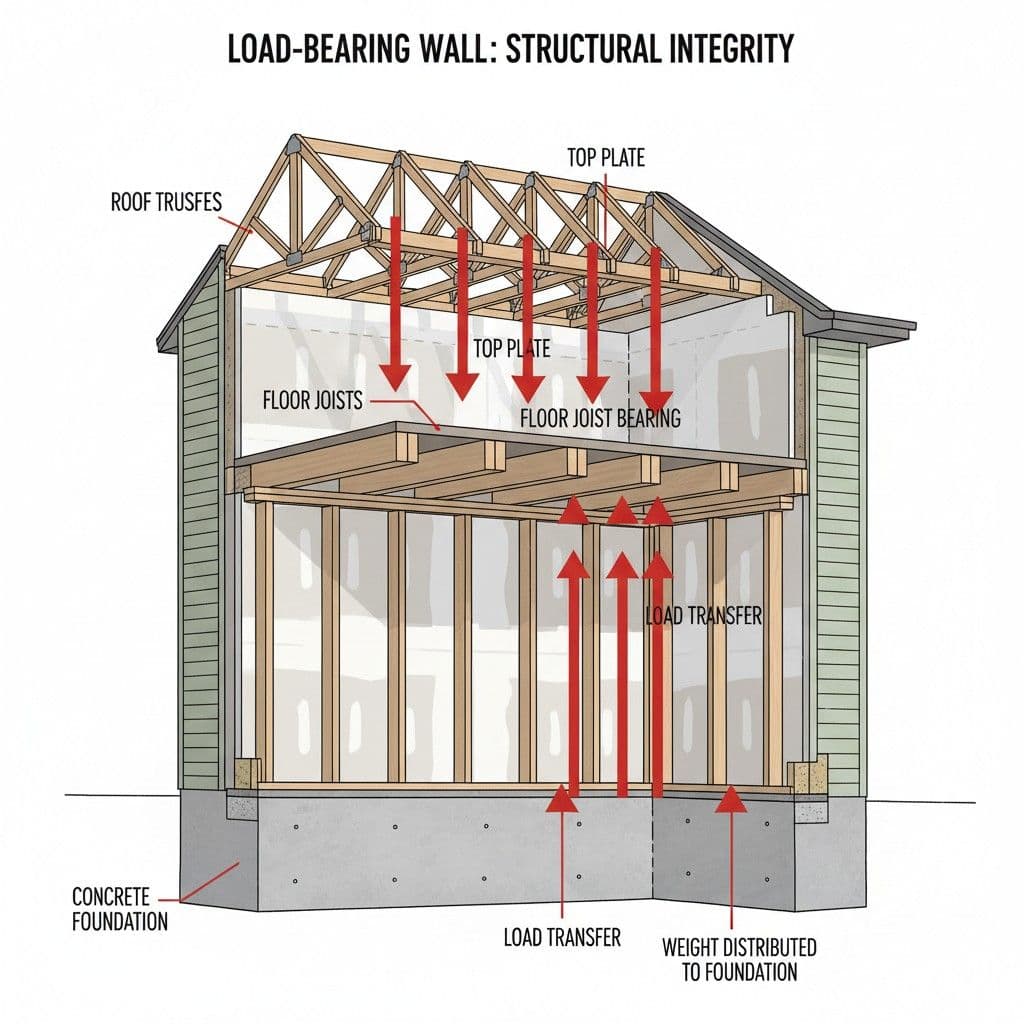
Knowing when to call in a professional can save you a lot of trouble down the road. You generally need structural engineering services when you are changing the structure of a home or if you suspect damage.
Renovations and Additions: If you are adding a second story or extending your kitchen, an engineer must verify the existing foundation can handle the extra weight.
Removing Walls: As mentioned earlier, taking down walls requires expert analysis to determine if they are load-bearing.
New Construction: Every new building needs a structural plan to get a building permit.
Foundation Issues: Cracks in your foundation, bowing walls, or uneven floors are red flags that require a structural engineer foundation inspection.
Storm Damage: After a severe storm, flood, or earthquake, an engineer can assess the structural integrity of your property.
If you ignore these signs, you risk the safety of your family and the value of your property. A simple inspection now is much cheaper than a catastrophic failure later.
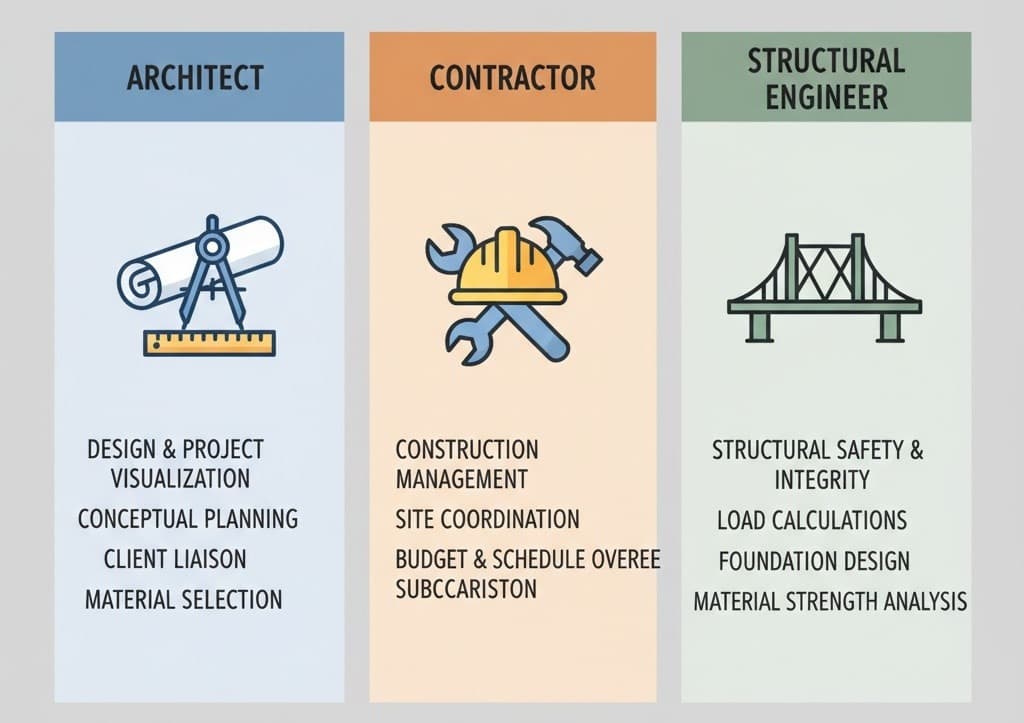
It is easy to get confused by the different professionals involved in construction. To make it clear, let's look at their distinct roles using a table.
Professional | Primary Focus | Key Responsibilities |
Architect | Aesthetics & Function | Designing the look, layout, and flow of the space. |
Contractor | Execution & Management | Managing the construction site, hiring labor, and building the project. |
Structural Engineer | Strength & Stability | Calculating loads, designing supports, and ensuring safety. |
While an architect dreams up the vision and a contractor builds it, the structural engineer makes sure the vision is physically possible. They work closely together. For example, an architect might want a large open living room with no columns. The engineer figures out how to support the ceiling using heavy-duty beams hidden in the ceiling so the architect's design works without the building falling down.
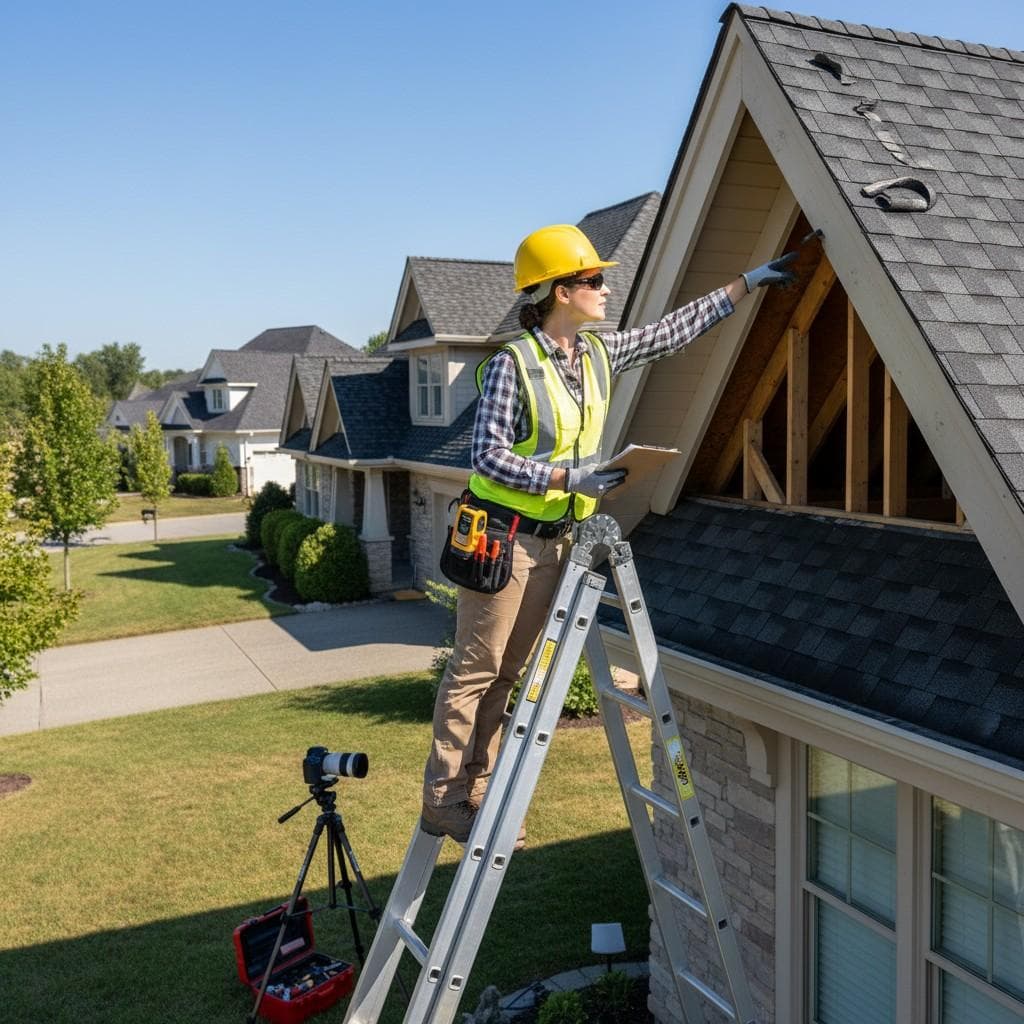
A structural engineer inspection is different from a standard home inspection. A general home inspector looks at the overall condition of the house plumbing, electrical, roof, and general structure. However, they are generalists. If they see a serious crack in the foundation, they will likely refer you to a structural engineer for a specialized opinion.
During a structural inspection, the engineer looks specifically at the load-bearing elements. They will examine the foundation, beams, columns, and roof trusses. They look for signs of distress that go beyond cosmetic issues.
Foundation Movement: Signs of settling or heaving.
Wall Cracks: Specific patterns like stair-step cracks in brick or horizontal cracks in basements.
Sagging Floors: This often indicates issues with floor joists or support beams.
Roof Deflection: A sagging roofline can mean broken trusses or too much weight (like heavy snow).
After the inspection, you usually receive a stamped report. This document is crucial. It details the problems found and, more importantly, provides an engineered solution for repairs. You can give this report to a contractor to get an accurate quote for the work.
The field of structural engineering is vast. While we often think of houses, structural engineering jobs span many industries. Engineers work on bridges, tunnels, dams, stadiums, and offshore oil rigs.
To become a structural engineer, one must complete a rigorous education path. This usually involves a bachelor's degree in civil engineering, followed by years of work experience under a licensed professional. Finally, they must pass difficult exams to become a Professional Engineer (PE). In some states with high seismic activity, like California, there is an additional license specifically for Structural Engineers (SE).
This high level of training is why their services are not cheap, but they are invaluable. When you hire a licensed engineer, you are paying for years of education and the legal liability they take on for your safety.

Finding a reliable expert is key to a successful project. You might start by searching for "structural engineers near me" or "residential structural engineer near me" on Google, but you need to vet the results carefully.
Check Qualifications: Ensure they are a licensed Professional Engineer (PE) in your state.
Read Reviews: Look at online reviews on platforms like Google and Yelp. Look for comments about their communication style and timeliness.
Ask for Referrals: Ask your architect, contractor, or real estate agent. They often have a list of trusted structural engineering firms.
Review Their Portfolio: If you are doing a specific type of project, like a historic renovation, make sure they have experience with that type of building.
Get Multiple Quotes: Prices can vary significantly. Get quotes from at least three firms to compare.
Do not just go for the cheapest option. Structural safety is not the place to cut corners. You want an engineer who is thorough and responsive.
A big part of a structural engineer's job involves materials science. This is often referred to as structural and materials engineering building. Engineers must understand how different materials behave under stress.
For example, concrete is great at handling compression (being squished) but terrible at tension (being pulled apart). Steel is excellent at both. By combining them into reinforced concrete, engineers create a material that is strong in every way.
Engineers are also looking at sustainable materials. Timber, specifically Cross-Laminated Timber (CLT), is becoming popular for taller buildings because it is lighter than concrete and captures carbon. Your engineer can advise you on the best materials for your project that balance cost, strength, and environmental impact.
Cost is always a major concern for homeowners. The price of structural engineering services varies based on the location and the complexity of the project.
Hourly Rate: Most engineers charge between $100 and $250 per hour.
Site Inspection: A simple verbal consultation might cost $300 to $500. A written report will likely push that to $600 to $1,000.
Design Plans: For a renovation involving wall removal or an addition, plans can range from $1,500 to $3,000+.
New Construction: For a custom home, engineering fees can be 1% to 2% of the total construction cost.
While these fees might seem high, remember that a good engineer can actually save you money. They can design efficient solutions that use fewer materials or are easier to build, reducing your construction costs. Plus, avoiding a structural failure saves you from financial ruin.
You should act fast if you see certain warning signs. Not every crack is a disaster, but some indicate serious structural engineering issues.
Doors and Windows Sticking: If doors that used to close fine are now jamming, your frame might be shifting.
Cracks in Drywall: especially diagonal cracks coming off the corners of doors and windows.
Gaps Between Walls and Floors: If your baseboard has a large gap underneath it, the floor joists may be sagging.
Chimney Leaning: A chimney pulling away from the house is a classic sign of foundation settlement.
Water in the Basement: Persistent water can erode soil under the foundation, leading to settlement.
If you spot these, schedule a structural engineer foundation inspection immediately. Catching these early allows for simpler repairs, like mud-jacking or installing piers, rather than a full foundation replacement.
For commercial projects or large residential developments, you will likely work with larger structural engineering firms. These firms have teams of engineers who can handle complex modeling and analysis.
They use advanced software like Building Information Modeling (BIM). BIM allows engineers, architects, and contractors to work on a 3D model of the building simultaneously. This helps catch clashes like a duct running through a beam before construction starts. This technology reduces errors and saves time.
When hiring a firm, ensure they have the capacity to meet your timeline. Large firms often have more resources but may have higher overhead costs. Smaller boutique firms might offer more personalized service but could have longer lead times.
Investing in structural engineering is investing in peace of mind. Whether you are a homeowner ensuring your family's safety or a developer building a high-rise, the structural engineer is the unsung hero of the project.
They ensure that the buildings we live and work in are safe, stable, and durable. By understanding their role and knowing when to call them, you can navigate your construction and maintenance projects with confidence. Remember, a solid foundation is the key to everything.
In conclusion, the role of a structural engineer cannot be overstated. From the initial soil testing to the final beam placement, their expertise guides the safety of our built environment. If you are facing structural doubts or planning a project, do not guess. Hire a professional. Their calculations and inspections are the insurance policy that keeps your roof over your head.
If you are looking for more resources or need to find professionals who can help you with your next project, consider visiting engides.com to explore more about engineering solutions.
Safety First: A structural engineer ensures your building can withstand gravity, wind, and other forces.
Distinct Role: They focus on strength and stability, distinct from architects who focus on design.
Inspection is Key: Schedule a structural engineer foundation inspection if you see cracks, sticking doors, or sagging floors.
Licensed Pros: Always hire a licensed Professional Engineer (PE) for your projects.
Smart Investment: While structural engineering services cost money, they prevent costly failures and ensure legal compliance.
 Engides