This post offers an all-encompassing guide to seismic design, the art and science of making buildings safe during earthquakes. You’ll learn about critical tools like design maps and manuals, and discover the core strategies and expert guidelines that engineers use to create earthquake-resistant structures. We’ll break down technical ideas into easy language, highlight industry best practices, and provide helpful external and internal links. By the end, you’ll understand why seismic design is essential for safety and resilience.
Earthquakes can strike without warning, causing devastating destruction to homes, schools, and hospitals. Seismic design isn’t just about structures it's about human safety and disaster recovery. The purpose of this guide is to demystify seismic design for everyone, from aspiring engineers to building owners and curious students.
Scope of This Blog:
Key concepts and seismic forces
How to read and use seismic design maps
Rules, codes, and leading manuals
Core strategies and new innovations
Practical guidelines and expert advice
External and internal resources for further learning
When an earthquake sends waves racing through the earth, these massive energy releases create seismic forces on whatever stands in their path. Imagine a high-rise made of stacked blocks: a hard shake from below makes each level move differently, which can cause cracks or collapse if not specially designed. This is why seismic design is crucial.
Real-Life Reference: During the 1995 Kobe earthquake in Japan, buildings constructed with modern seismic design practices performed significantly better than older structures. According to a report by the EERI, buildings that incorporated ductile detailing and energy-dissipating features withstood large shaking, greatly reducing fatalities and structural damage. This demonstrated firsthand how thoughtful seismic design and a focus on ductility can save lives and minimize repairs.
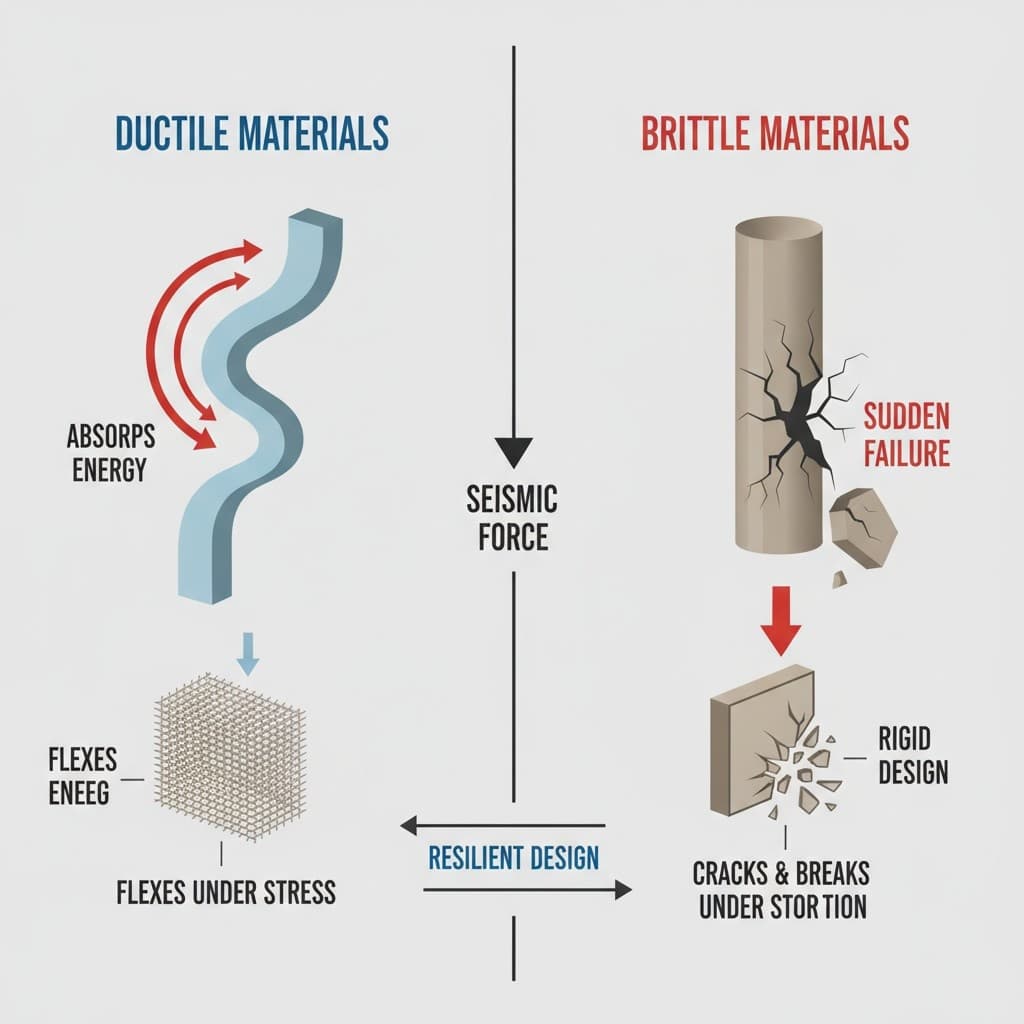
A key principle here is ductility designing materials and structures so they bend or stretch rather than break. This flexibility lets buildings absorb some of the earthquake's energy, increasing the chances of survival and reducing repair costs.
To read more about these fundamental forces, visit the WBDG’s Seismic Design Principles, a trusted industry resource.
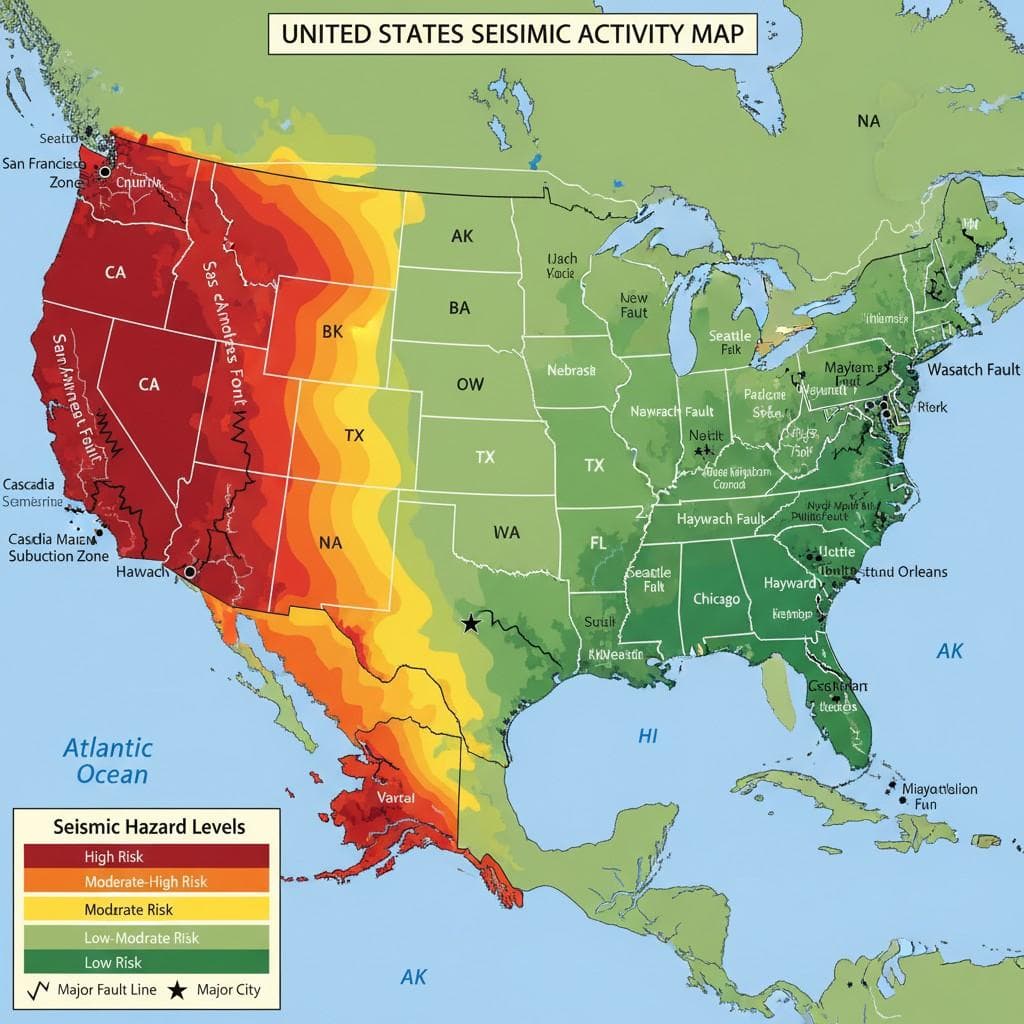
Would you build in a hurricane zone without checking a weather map? The same goes for earthquakes. US seismic design maps, such as those found at the USGS Earthquake Hazards Program, show you where the risk is highest. They factor in:
Historical earthquake data and regional trends
Local geology and soil type, which may amplify shaking
Proximity to active fault lines
Find your location on the map
Note the assigned seismic parameters
Reference these values in your building design and calculations
For hospitals and special projects, specific maps like OSHPD seismic design maps (used in California) provide even more tailored requirements. For example, OSHPD mandates stricter rules for hospital safety to ensure patient care in emergencies.
Pro Tip: Always cross-reference federal and local guidelines. Some regions adopt more rigorous criteria, especially for critical infrastructure. Check with your city’s building department and consult resources like ScienceDirect’s Topic Overview on Seismic Design.
A seismic design is only as good as the rules behind it. That’s why engineers rely on strict codes:
ASCE 7 This seminal standard “Minimum Design Loads and Associated Criteria for Buildings and Other Structures” details how to calculate seismic forces, factoring in everything from building use to subsurface soil differences. The latest versions (ASCE 7-22 and ASCE 7-16) can be found at SeismicMaps.org.
AISC Seismic Design Manual Focusing on steel buildings, this manual offers expert-tested design and detailing techniques to maximize ductility and energy absorption during quakes.
IBC and Local Building Codes The International Building Code (IBC) weaves seismic guidelines into building rules across the U.S. Many cities and states have additional amendments, creating a layered approach to safety.
Expert Guidelines: Always use the latest versions of each code these documents reflect the findings from recent quakes and the lessons learned from failures and successes. Seek guidance from experienced seismic engineers or leading engineering consultancies like engides.com for thorough compliance checks.
Seismic design is more than calculations; it’s about creative engineering solutions that manage earthquake forces effectively. Below are some core and advanced strategies:
Strategy | Description | Real-World Example |
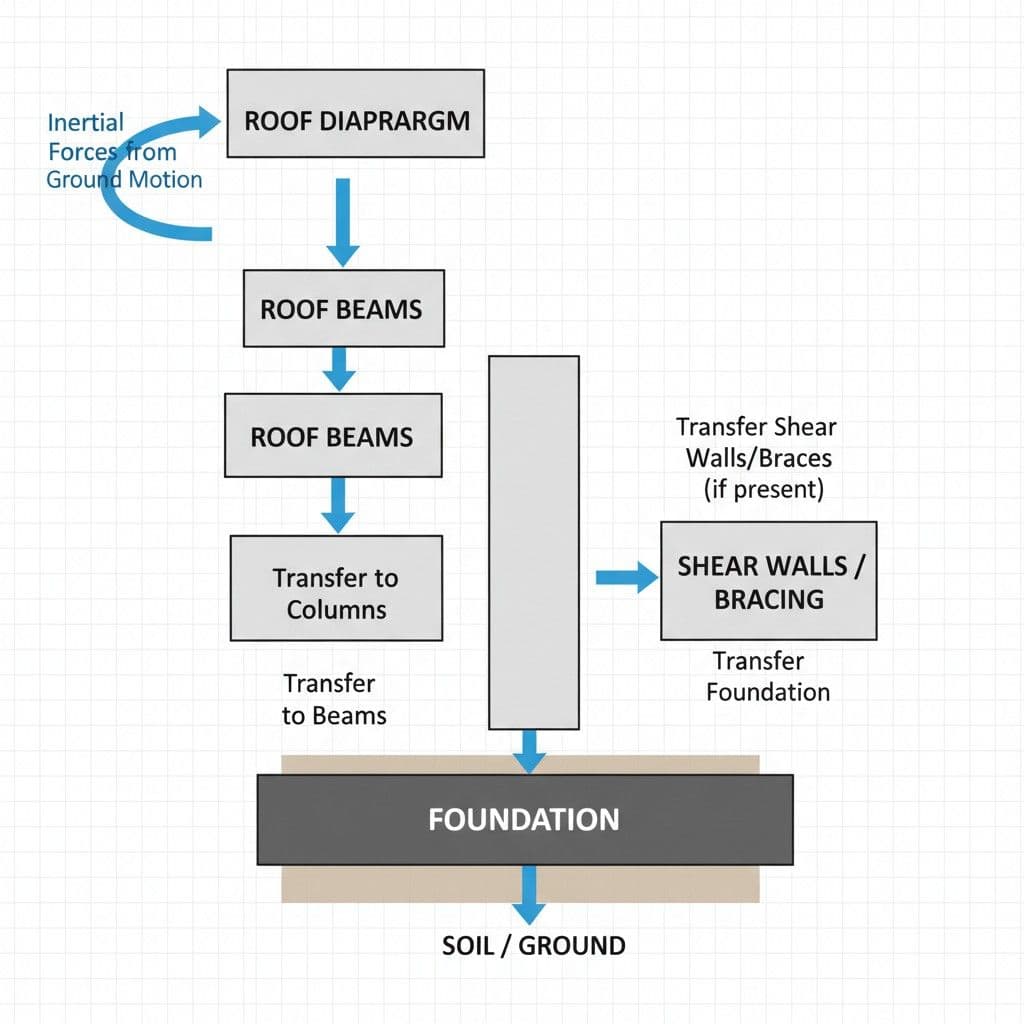
Continuous Load Path | Ensures seismic forces move smoothly from roof to foundation without sudden breaks. | Well-connected beams/columns in new offices |
Ductile Detailing | Emphasizes connections that flex and stretch rather than snap. | Special steel moment-resisting frames |
Shear Walls | Thin vertical walls (often concrete) that resist side-to-side motion. | Schools and community buildings |
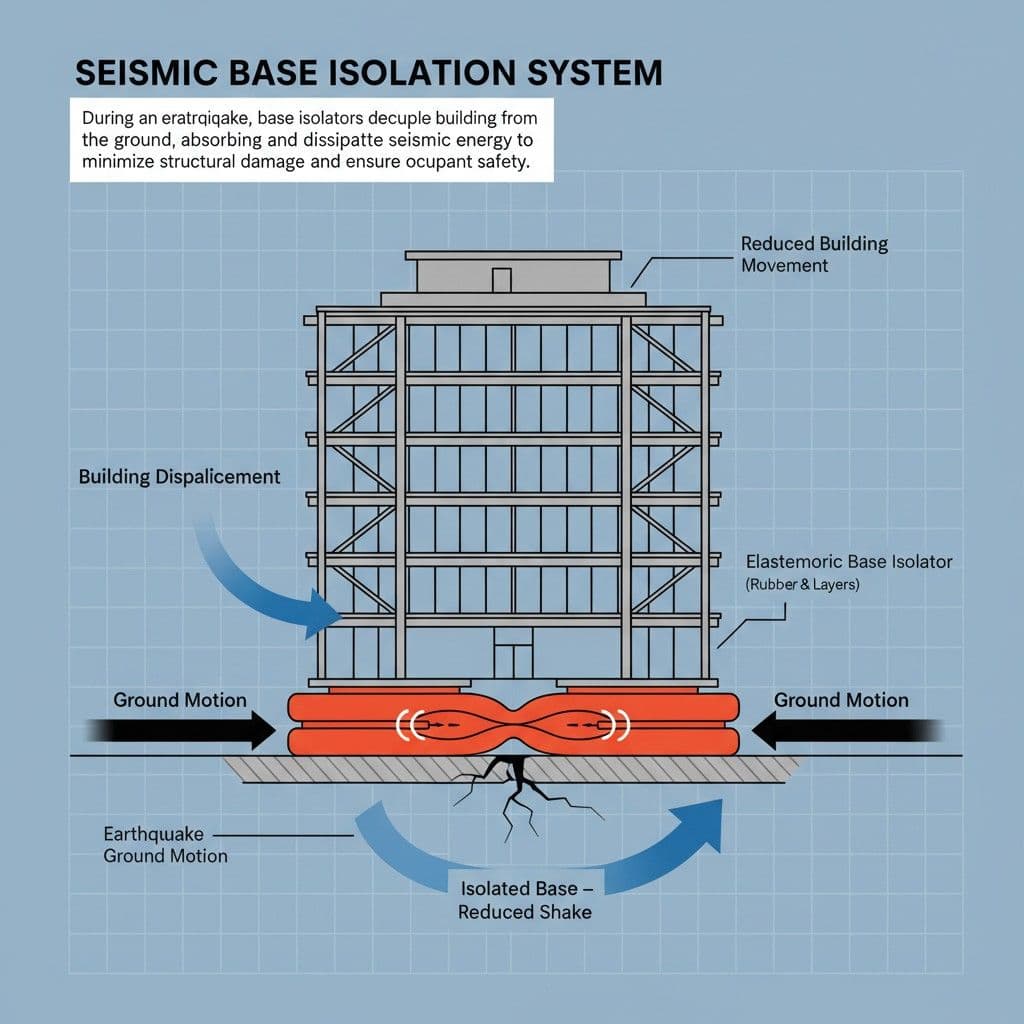
Base Isolation | Uses flexible bearings to “float” buildings above ground shaking. | Major hospitals, museums |
Seismic Dampers | Act like shock absorbers, dissipating energy as heat. | High-rise towers in Tokyo |
To visualize and compare these strategies, consult the Concepts of Seismic-Resistant Design (PDF), an excellent technical overview.
Smart Materials: The use of shape-memory alloys for self-healing connections.
Early Warning Systems: Integrating USGS data for real-time building response.
Simulation Modeling: 3D digital twins to predict building performance under quake scenarios.
Real-Life Reference: After the 2011 Christchurch earthquake in New Zealand, engineers and officials observed that buildings designed with up-to-date seismic codes, particularly those featuring base isolation and enhanced ductility, performed far better than older, unreinforced structures. According to a report by New Zealand’s Ministry of Business, Innovation and Employment (MBIE), the majority of modern buildings sustained only minor damage, while outdated designs suffered severe structural failures. This real-world example shows the value of implementing current seismic guidelines and highlights how lives and property can be protected by robust engineering standards.
For further technical reading, FEMA’s Earthquake Hazard Mitigation Resources are highly recommended.
Research Site Seismicity: Use USGS and local hazard maps.
Soil Study: Test for soft/loose soils which could amplify vibrations.
Performance Target: Decide on building importance essential services need higher safety.
Consult All Codes: Update to the latest standards (ASCE, AISC, IBC, local).
Choose Appropriate Structural Systems: Consider ductile frames, shear walls, or base isolation.
Independent Review: Always seek review from a licensed seismic specialist.
Construction Oversight: Involve engineers during construction for compliance.
Post-Construction Inspections: Schedule regular safety checkups.
For practical, stepwise guides and case studies, visit engides.com’s Seismic Design Section.
Stay updated: Attend seminars and workshops through organizations like the American Society of Civil Engineers (ASCE).
Partner up: Work with local geologists and experienced engineers to understand unique site conditions.
Plan for redundancy: Redundant systems give extra assurance in extreme scenarios.
Educate occupants: Trainings and drills can save lives when an earthquake hits.
Pro Insight: "Incorporating lessons from past earthquakes like reviewing damage reports on the USGS Earthquake Hazards Program website can dramatically improve your building’s resilience," notes engineering consultant Maria Sanchez, SE.
To see seismic design in action, let’s look at Seoul, South Korea. The city embarked on an urban upgrade, retrofitting hundreds of school and hospital buildings. Using advanced USGS seismic design maps and AISC manuals, engineers installed base isolators and reinforced concrete shear walls. After a moderate earthquake in 2023, none of the upgraded schools suffered major damage, confirming the effectiveness of modern seismic guidelines and collaborative planning.
Neglecting Soil Studies: Basing designs only on general regional maps, not accounting for local soil conditions.
Outdated Codes: Using old manuals rather than the latest discussed on Seismicmaps.org.
Ignoring Nonstructural Elements: Failing to secure interior elements like ceilings and heavy fixtures.
Poor Construction Oversight: Not involving licensed engineers during the build.
Lack of Maintenance: Not scheduling regular structural inspections after construction.
For more pitfalls and how to avoid them, the resource repository at engides.com is invaluable.
As earthquakes remain unpredictable, seismic design stands as an essential shield for society. By embracing the guidelines, best practices, and innovations shared above, you’re contributing to safer schools, workplaces, and cities. Rely on expert opinions, stay informed using leading manuals and maps, and encourage a culture of safety in every project.
Whether you’re an aspiring engineer, property owner, or city planner, investing time and resources in seismic-resistant design pays off. Let seismic design be your blueprint for safety and resilience today and for generations to come.
For comprehensive guides, more expert opinions, downloadable seismic design PDFs, and course recommendations, be sure to explore engides.com, your go-to resource for structural engineering excellence.
Seismic design saves lives by preventing catastrophic collapses.
Seismic maps and manuals are foundational for reliable, code-compliant structures.
Ongoing learning from industry leaders and real-world earthquakes is crucial.
Expert consultation and proper construction oversight can’t be skipped.
A system-based, ductile, and innovative approach provides optimal safety.
 Engides