Buildings are like human bodies; they need systems to breathe, regulate temperature, and manage waste. MEP design consultants ensure these mechanical, electrical, and plumbing systems work perfectly together. Without them, buildings would be uncomfortable, unsafe, and expensive to run. This guide explains exactly why their expertise is non-negotiable for modern construction.
Have you ever walked into a room and felt perfectly comfortable without knowing why? Or perhaps you’ve been in a building where the lights flicker, and the air feels stale? The difference often lies in the quality of the engineering behind the walls. We wrote this blog to demystify the complex world of MEP designing.
Our goal is to help building owners, architects, and developers understand the critical role MEP design consultants play in construction. We aren't just talking about pipes and wires; we are talking about the lifeblood of a structure. By the end of this post, you will understand how these experts save money, save the planet, and keep occupants safe.
One of the primary jobs of an MEP company is to stop a building from wasting energy. Imagine trying to fill a bucket with water while it has holes in the bottom. That is what a building with poor MEP design is like.
MEP engineers use advanced modeling software to predict how a building will use energy before it is even built. They look at:
HVAC systems (Heating, Ventilation, and Air Conditioning)
Lighting loads
Insulation effectiveness
By selecting the right equipment, they ensure that you aren't paying for electricity or gas you don't need. According to Energy Star, energy-efficient buildings can use up to 30% less energy than traditional ones.
Building rules can be incredibly confusing. Every city and state has different regulations regarding safety, energy use, and environmental impact. Trying to figure this out without help is a recipe for disaster.
MEP design consultants act as your legal shield. They know the International Building Code (IBC) and local amendments inside and out. They ensure your project complies with all regulations, preventing costly fines or construction delays. If you want to avoid a "stop-work" order from a city inspector, you need these experts on your team.
Many people think hiring top-tier MEP engineering firms is an extra expense. In reality, it is an investment that pays for itself.
There is a difference between "first cost" (what you pay to build) and "lifecycle cost" (what you pay to own). A cheap air conditioner might save you money today, but if it breaks in two years and eats up electricity, it costs more in the long run. Consultants perform a lifecycle analysis to show you which systems offer the best value over 20 or 30 years.
Aspect | Without MEP Consultant | With MEP Consultant |
Initial Cost | Potentially Lower | Moderate |
Energy Bills | High | Low |
Maintenance | Frequent & Expensive | Planned & Minimal |
Total 10-Year Cost | Very High | Optimized |
We spend about 90% of our time indoors. If the air we breathe inside is dirty, it can make us sick. This is where the "M" in MEP (Mechanical) shines.
Mechanical engineers design ventilation systems that filter out pollutants, allergens, and viruses. They ensure fresh air comes in and stale air goes out. Following standards set by ASHRAE, consultants design systems that keep humidity levels in check, preventing mold growth and keeping everyone healthy.
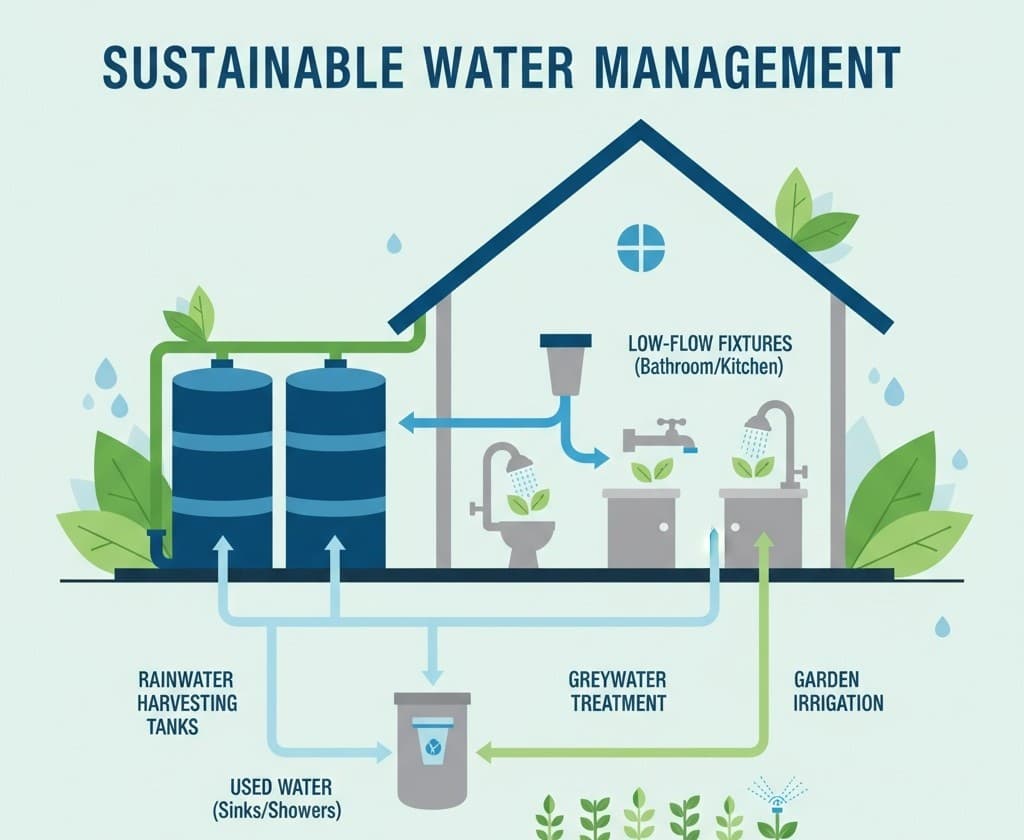
Water is becoming more expensive and scarce. The "P" in MEP stands for Plumbing, and modern plumbing is about much more than just toilets and sinks.
Expert MEP design consultants implement systems like:
Low-flow fixtures
Rainwater harvesting systems
Greywater recycling (using sink water to flush toilets)
These strategies drastically reduce the water bill and help the building meet green certification standards.
Modern buildings are "smart." They have automated lights, security cameras, and thermostats that learn your schedule. However, all these gadgets need a robust electrical infrastructure to work.
MEP engineers design the electrical backbone that supports these technologies. They ensure there are enough outlets, the Wi-Fi points are in the right places, and the server rooms stay cool. They bridge the gap between physical construction and digital needs.
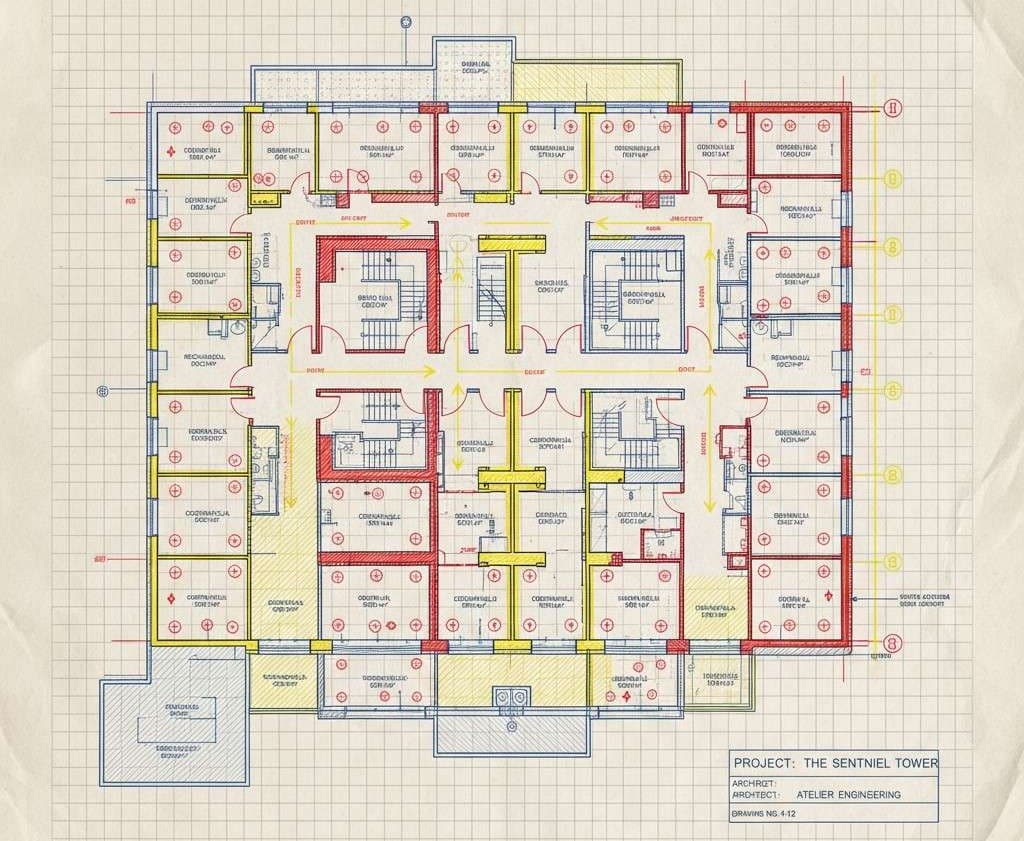
In the old days, builders often found out too late that a large air duct was supposed to go exactly where a steel beam was located. This is called a "clash," and fixing it on the construction site is incredibly expensive.
Today, MEP design consultants use 3D modeling tools like Revit (BIM). They build the whole building virtually first. If a pipe hits a beam in the computer model, they move it with a mouse click. This saves thousands of dollars and weeks of time during actual construction.
Nothing is more important than safety. A beautiful building is worthless if it isn't safe for the people inside.
Fire protection engineering is a critical part of MEP services. Consultants design:
Sprinkler systems
Fire alarms
Smoke control systems
They ensure that if a fire starts, the alarms will sound, the sprinklers will activate, and the smoke will be vented out so people can escape safely. They follow strict guidelines from the NFPA to ensure every life is protected.
Are you trying to get a LEED certification or a WELL building standard rating? You cannot do it without an MEP company.
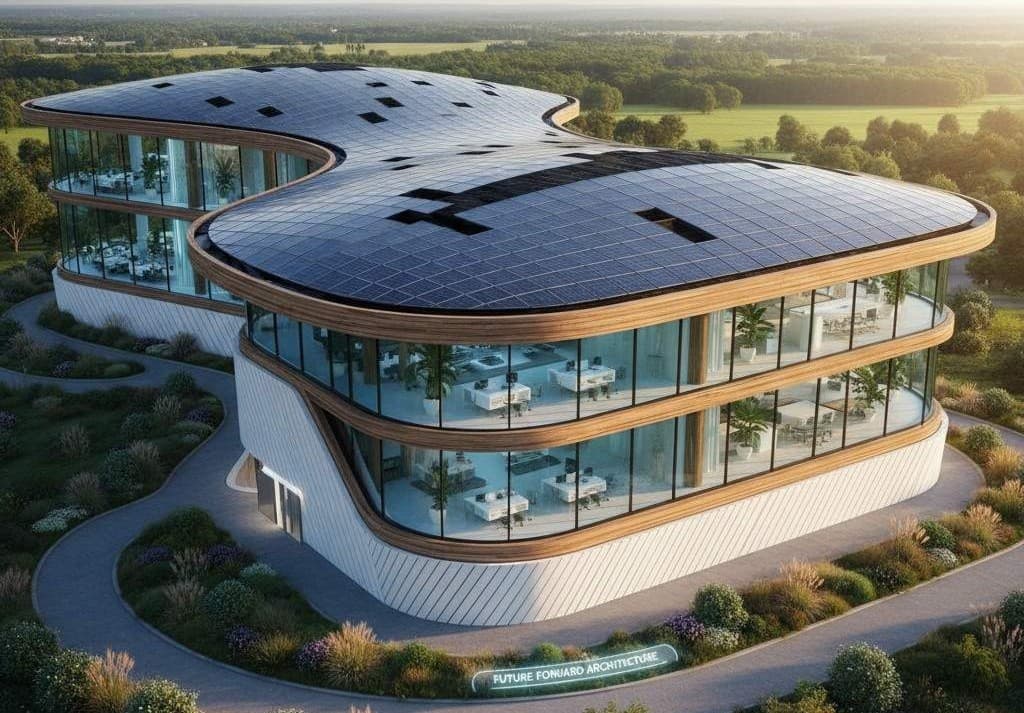
Green building certifications require high scores in energy efficiency, water use, and air quality. Consultants document all these metrics for you. They select sustainable materials and renewable energy sources, like solar panels, to help your building earn its green stripes.
Once the building is finished, the work isn't over. Someone has to take care of it. A good design makes maintenance easy.
MEP design consultants place equipment in accessible locations. They don't hide a filter that needs changing every month behind a heavy wall. They provide the building owners with detailed manuals on how to operate the systems. This foresight ensures the building remains efficient for decades.
Ignoring the importance of MEP systems is like buying a Ferrari and putting a lawnmower engine in it. It might look good, but it won't perform. Whether you are building a home, an office, or a warehouse, the success of your project depends on the quality of the systems running behind the scenes.
Investing in quality engineering upfront reduces headaches down the road. It lowers your utility bills, keeps your tenants happy, and ensures your investment retains its value.
If you are looking to optimize your next building project with top-tier engineering expertise, engides.com is your gateway to superior MEP solutions. Explore more to see how professional design can transform your construction experience.
Efficiency First: MEP consultants use modeling to slash energy consumption and costs.
Safety is Key: They ensure compliance with strict building codes and fire safety standards.
Health Matters: Proper mechanical design improves indoor air quality and occupant health.
Future-Proofing: They integrate smart technology and design for easy long-term maintenance.
Cost Control: While there is an upfront fee, consultants save money over the building's life through clash detection and lifecycle analysis.
 Engides