Tl;Dr: This post explores ten critical insights for anyone starting a career in civil engineering. We cover everything from the growing importance of sustainability and technology to the essential soft skills needed for success. Understanding these trends is key for a future civil engineer to build a thriving and impactful career in this dynamic field.

Welcome to a deep dive into the world of civil engineering. This field is all about designing, building, and maintaining the foundation of our modern world from towering skyscrapers and massive bridges to the water systems running beneath our feet. If you are considering a career as a civil engineer, you are thinking about joining a profession that directly shapes communities and improves lives. This blog post will guide you through ten essential insights that every aspiring civil engineer in 2026 needs to understand. We will explore the latest trends, the skills you will need, and the exciting challenges that lie ahead.
In the past, civil engineering focused primarily on function and cost. Today, sustainability is at the forefront of every project. This means creating infrastructure that is not only strong and efficient but also environmentally friendly. Aspiring civil engineers must learn to use sustainable materials, design energy-efficient buildings, and develop systems that conserve water. This shift is driven by a global need to address climate change. Projects now often require environmental impact assessments, and clients demand greener solutions. For a modern civil engineer, this involves thinking about the entire lifecycle of a structure, from its construction to its eventual decommissioning, ensuring it leaves a minimal environmental footprint.
Technology is transforming the civil engineering landscape. Tools that were once considered advanced are now standard.
Building Information Modeling (BIM): This is a 3D model-based process that gives engineering professionals the insight to plan, design, construct, and manage buildings and infrastructure more efficiently. BIM helps prevent errors, reduce waste, and improve collaboration among teams.
Drones and LiDAR: Unmanned aerial vehicles (drones) equipped with Light Detection and Ranging (LiDAR) technology are used for surveying and site inspections. They provide highly accurate data quickly and safely, even in hard-to-reach areas.
Artificial Intelligence (AI): AI is being used to analyze data, predict maintenance needs, and optimize project schedules. For example, AI can analyze traffic patterns to design better road networks or monitor structural health to prevent failures.
Understanding and embracing these technologies is crucial for any civil engineering professional looking to stay competitive.
Being a great civil engineer isn't just about math and physics. Communication, teamwork, and problem-solving are equally vital. Civil engineering projects involve large teams of people, including architects, construction workers, clients, and government officials. You need to be able to clearly explain complex ideas to people who don't have a technical background. You will also need to negotiate, manage conflicts, and lead teams effectively. Civil engineering firms and companies are increasingly looking for engineers who can do more than just design; they want leaders and communicators.

Civil engineering is a vast field with many different paths you can take. While you will get a broad education at the start, specializing in a specific area can lead to more opportunities and a higher salary.
Specialization Area | Focus |
Structural Engineering | Designing the skeletons of buildings, bridges, and other structures. |
Geotechnical Engineering | Analyzing soil, rock, and foundation behavior. |
Transportation Engineering | Planning and designing roads, railways, airports, and public transit. |
Water Resources Engineering | Managing water systems like dams, pipelines, and treatment plants. |
Environmental Engineering | Developing solutions for pollution control and waste management. |
Construction Management | Overseeing the entire construction process from start to finish. |
Choosing a specialization that interests you will make your career more rewarding. Consider what kinds of problems you want to solve and what kind of impact you want to have.
Our world faces increasing threats from natural disasters like hurricanes, earthquakes, and floods. As a result, there is a huge demand for civil engineers who can design resilient infrastructure. This means creating structures and systems that can withstand extreme events and recover quickly. For example, a resilient bridge might be designed to flex during an earthquake without collapsing. A resilient city might have advanced flood defenses and backup power systems. This area of civil engineering requires a forward-thinking approach, anticipating future challenges and designing solutions that protect communities for decades to come.
Every civil engineering project, big or small, needs a skilled project manager. This role involves planning, scheduling, budgeting, and ensuring that the project is completed on time and within budget. A civil engineer with strong project management skills is invaluable. They are the ones who orchestrate the entire effort, coordinating with various teams and stakeholders. Learning the principles of project management, including risk management and resource allocation, will give you a significant advantage in your career. Many successful civil engineers move into project management roles as they gain experience.
Civil engineers do not work in a vacuum. Their projects are heavily influenced by government regulations, building codes, and public policy. You must understand these rules to ensure your designs are safe and legal. For instance, when designing a new residential development, you need to be aware of zoning laws and environmental regulations. Keeping up with changes in policy is an ongoing part of the job. A good civil engineer knows how to navigate this complex regulatory environment to get projects approved and built successfully.
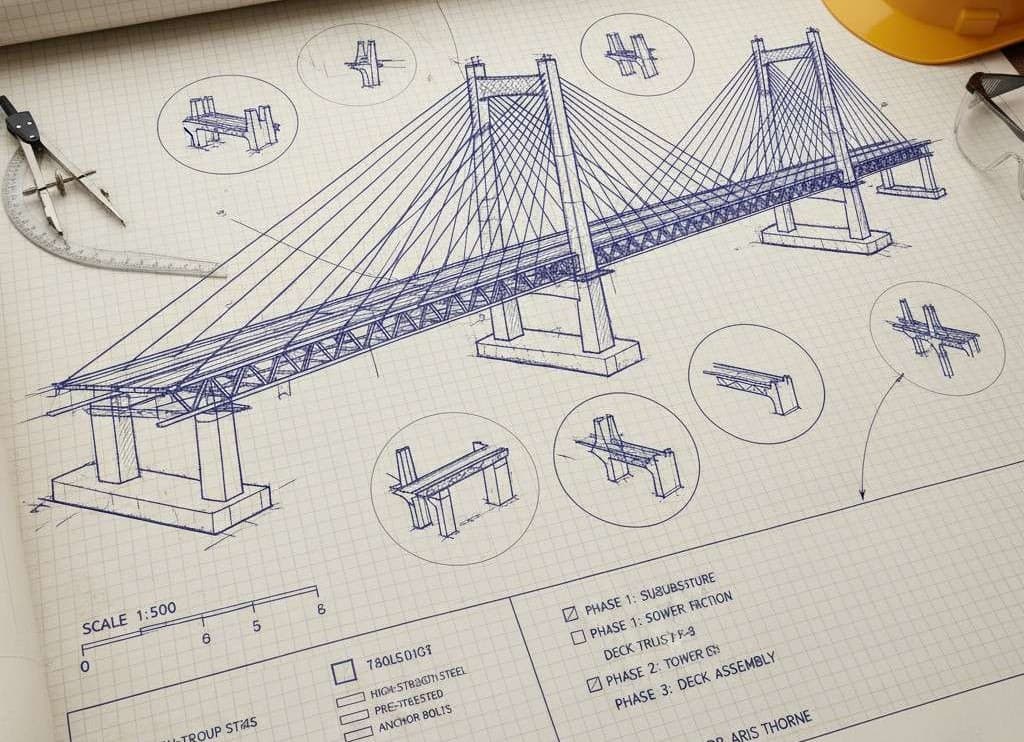
The need for infrastructure is a global one. Developing countries are rapidly building new cities, transportation networks, and energy systems. Meanwhile, developed nations in places like the United States need to repair and upgrade their aging infrastructure. This creates a wide range of opportunities for civil engineers to work all over the world. A career in civil engineering can be a passport to experiencing different cultures and working on incredible international projects, from high-speed rail in Asia to renewable energy projects in Africa.
The field of civil engineering is constantly evolving. New materials, technologies, and methods are introduced all the time. To remain a competent and effective civil engineer, you must commit to lifelong learning. This means attending workshops, earning certifications, reading industry publications, and staying curious. Your formal education is just the beginning of your journey. The most successful engineers are those who are always learning and adapting to the latest industry trends.
Perhaps the most important insight is understanding the profound impact of civil engineering. Civil engineers build the framework of society. The roads you travel on, the clean water you drink, and the safe buildings you live and work in are all products of this profession. It is a career that offers the unique satisfaction of seeing your ideas turn into tangible realities that improve people's daily lives. This sense of purpose is what drives many civil engineers and makes it such a rewarding profession.

As we've seen, the path of a civil engineer in 2026 is filled with both challenges and incredible opportunities. The solution for success is not just to master the technical aspects of the job but to become a well-rounded professional. This means embracing sustainability, leveraging new technologies, and honing your communication and leadership skills. By focusing on these areas, you can build a career that is not only successful but also deeply fulfilling. The future needs innovative and dedicated civil engineering professionals to create a more resilient, sustainable, and connected world for everyone.
For those eager to learn more about the various disciplines and career paths within civil engineering, exploring a comprehensive resource like engides.com can provide valuable information and guidance for your journey.
Embrace Sustainability: Modern civil engineering prioritizes environmentally friendly designs and materials.
Master Technology: Proficiency in tools like BIM, drones, and AI is becoming essential for a civil engineer.
Develop Soft Skills: Communication and teamwork are as crucial as technical expertise.
Find Your Niche: Specializing in an area like transportation or water resources can advance your career.
Focus on Resilience: Designing infrastructure to withstand natural disasters is a growing priority.
Learn Project Management: Understanding how to manage budgets, schedules, and teams is a valuable skill.
Stay Informed on Policy: Knowledge of regulations and building codes is mandatory.
Think Globally: Civil engineering offers opportunities to work on projects around the world.
Commit to Lifelong Learning: The field is always changing, so continuous education is a must.
Find Purpose in Your Work: Civil engineering provides a unique opportunity to build a better world and improve lives.
 Engides